

In October 2025, the Financial Crimes Enforcement Network (FinCEN) identified $9 billion in Iranian shadow banking activity in a single year. These funds were moves through exchange houses, front companies, and commodity traders in ways designed to be invisible to conventional financial intelligence. The full report ran to dozens of pages.
The report’s writers report were careful to note what it did not capture. The $9 billion was the portion of the system that left traces. The portion that did not: the hawala transfers settled in cash, the cryptocurrency transactions routed through specific exchanges, the commodity trades invoiced at fictitious prices, the construction contracts paid in kind rather than currency, was not quantified.
The $9 billion figure does not reveal the Iran Revolutionary Guard Corps’ (IRGC) financial operation. It reveals the size of its shadow.
The full system, built over thirty years, refined by every round of pressure applied to it, currently sustaining a regime at, moves somewhere between $30 billion and $50 billion annually
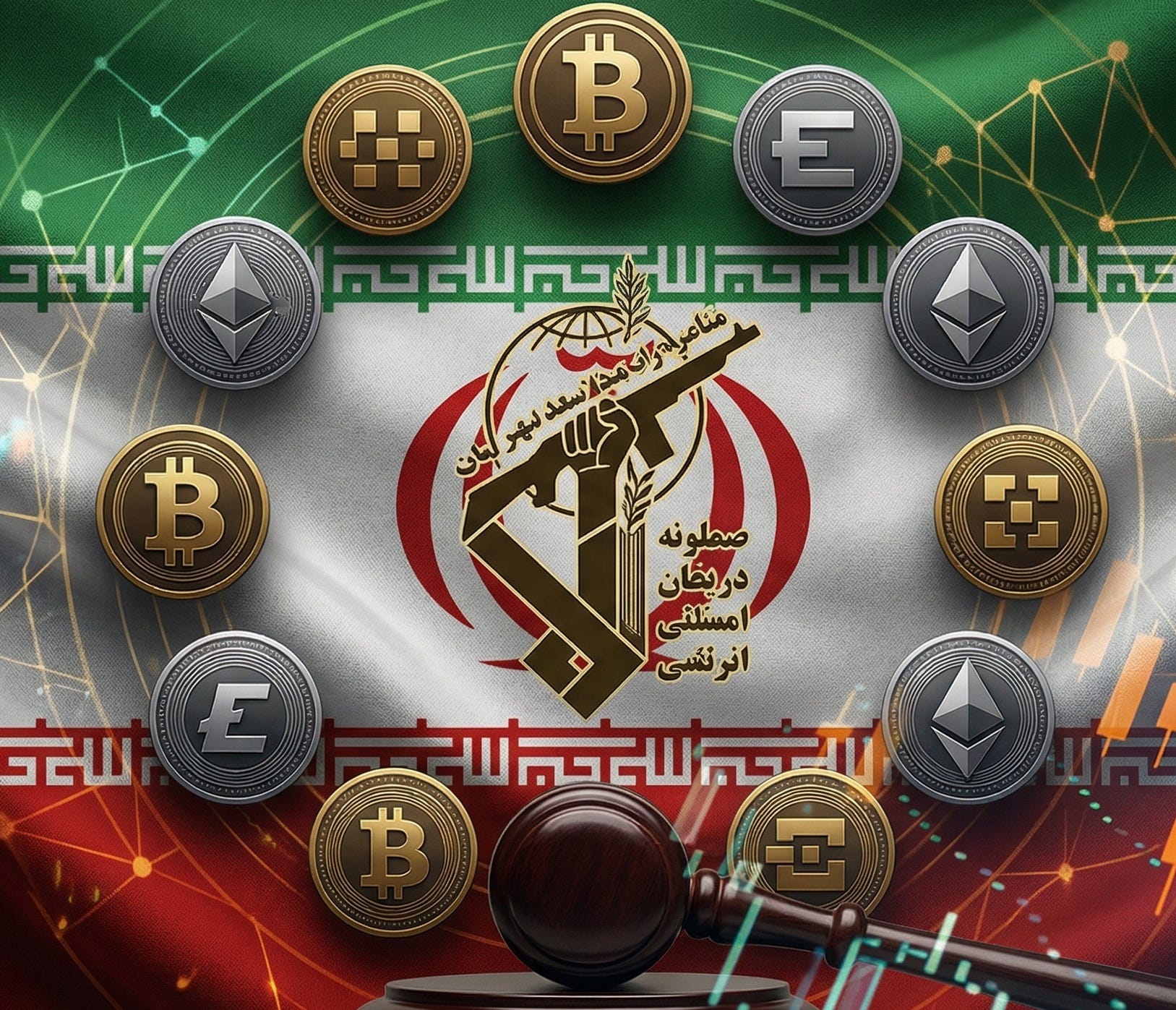
It moves through Dubai’s exchange houses and Hong Kong shell companies, through Iraqi banks controlled by militia figures, through a Turkish gold-trading system that laundered $20 billion, and increasingly through a cryptocurrency infrastructure that no sanction can reach.
What the IRGC has built is a norm, a parallel financial system, institutionally embedded and deliberately designed, that converts criminal income from oil, drugs, arms, and construction into usable economic and political power. The sanctions regime that was supposed to strangle it has, at every turn, made it more sophisticated.
Understanding why requires going back to the beginning, to an institution that decided, in 2007, that financial compliance was not in its interests.
This is the third in a five-part series, The Organized Crimes of Iran's Revolutionary Guard, examining how the IRGC built, operates, and is adapting one of the world's most complex and profitable criminal enterprises. Part One examined the IRGC's seizure of Iran's oil sector and how it weaponized it. Part Two traced the IRGC's narco empire from Afghan heroin to captagon.
1. The FATF Problem
If Iran has been on the financial crime blacklist since 2007, why does the money keep moving?
