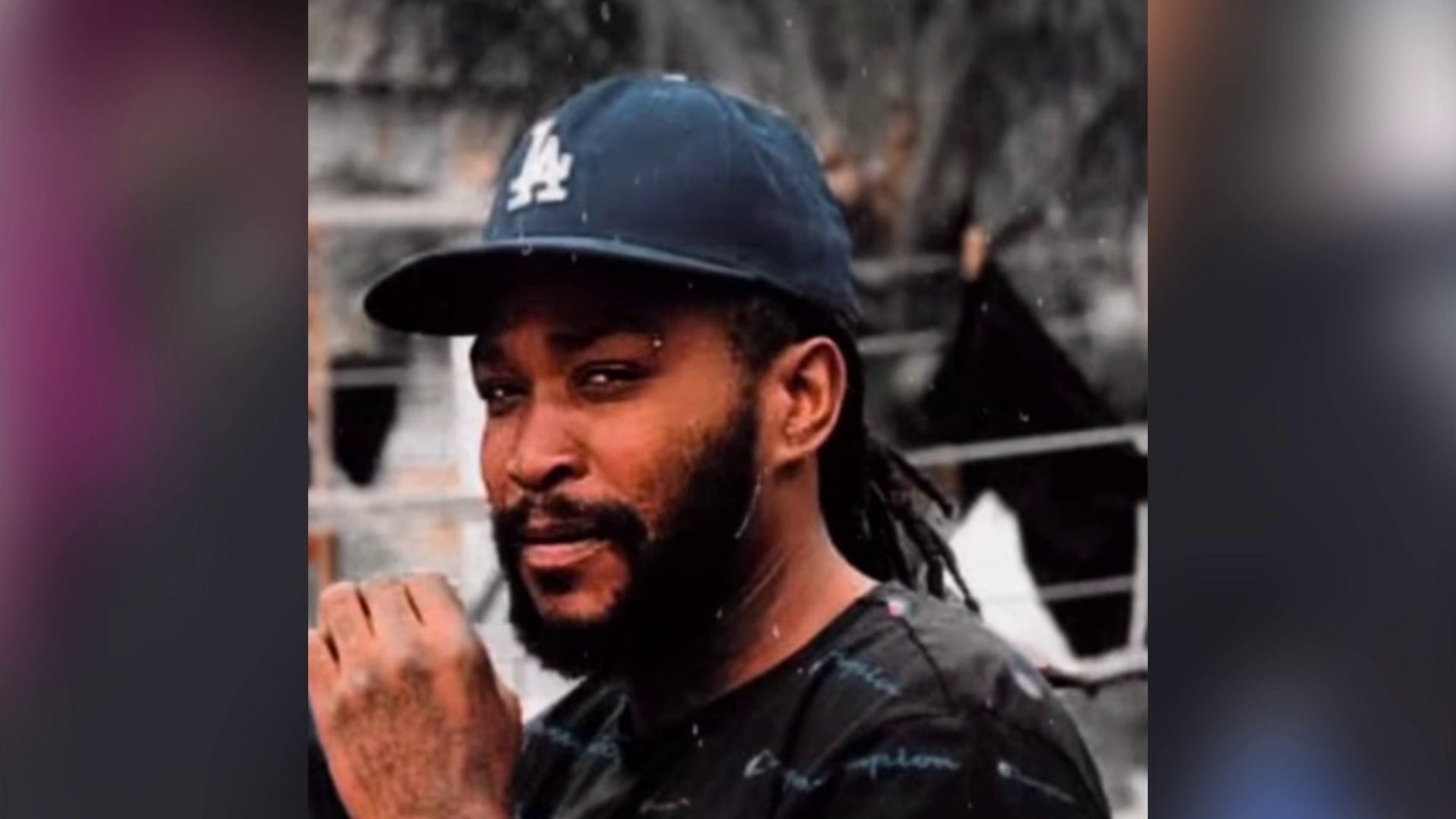
The doors of Da Buzz Lounge, a bar outside Belize City, had not been open long on the evening of 7 May when a sixteen-year-old walked in and shot Salma Funez dead. She was 34 and a mother of three.
Hours earlier, gunmen murdered 29-year-old Jamal Samuels in what police described as a retaliatory hit. Two days before that, a car carrying Hubert Baptist and Eric Frazer had been raked with rifle fire on the same highway near Haulover Bridge.
Governor-General Dame Froyla Tzalam responded by placing Belize City and a string of surrounding villages under a state of public emergency. Soldiers and police gained the power to search anyone without a warrant, detain suspects for 30 days without charge, impose a night curfew on minors and shut down businesses. Thirty days later, the emergency expired on schedule, the roughly 30 men detained under it walked out of the Kolbe Foundation prison, and the country moved on.
It was the seventh state of emergency Belize has declared against its own gangs in eight years. They have barely made a dent.