

At around 4am on September 1, approximately thirty masked men approached a property in Overasselt, a village south of Nijmegen in the eastern Netherlands. Some carried firearms. Security footage obtained by Dutch media showed members of the group approaching an occupied car before shots were fired and many of the men scattered.
When police officers arrived, they came under fire. Two were wounded, one critically, and a 51-year-old security guard at the property was killed. Police subsequently carried out a swathe of arrests in an operation across nearby maize fields, motorways around the country and Nijmegen train station. 34 people were detained, including suspects from the Netherlands, France, Belgium and Algeria.
“What took place in Overasselt last night is indescribable. For colleagues, this is truly a very intense incident. Colleagues were injured and were brought to safety by others at risk of their own lives. It was truly an act of heroism,” said deputy police chief, Joland Aalbers.
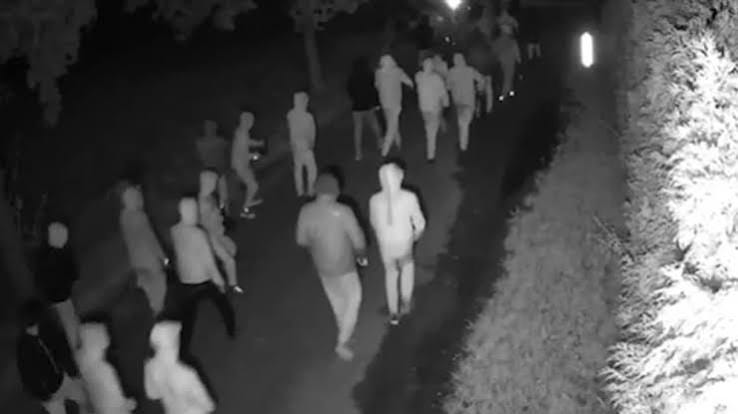
A raid on this scale is almost unheard of in the Netherlands, despite the country becoming a far more prominent pivot in the European drug trade.
So why send such a hit squad to a remote Dutch farm? Prosecutors are investigating whether the group was preparing a kidnapping. Reporting by newspaper Het Parool suggested a dispute over cocaine allegedly belonging to the organisation of the Netherlands’ foremost drug trafficker, Jos Leijdekkers, better known as Bolle Jos.
The newspaper, citing unnamed sources, linked the dispute to a shipment intercepted in France. Some drugs may nevertheless have reached the Netherlands, and the attackers allegedly believed a man living at the Overasselt property could account for them, or that the cocaine itself was being stored there.
