

On 18 October, four Salvadoran aviation technicians serving with an international security mission in Haiti were ambushed by gunmen in Santo, on the northeastern outskirts of Port-au-Prince. Their armoured vehicle was set ablaze, forcing them to flee. None of the four has been seen since.
Salvadoran President Nayib Bukele responded by sending special forces to find them. Then came more aircraft, soldiers, armoured vehicles and helicopters. By 29 October, some 2,000 Salvadoran troops had arrived in Haiti, with the deployment expected to reach as many as 2,500.
For El Salvador, a country with limited experience of overseas military operations, the scale of the deployment is remarkable. Until October, its contribution to Haiti’s security mission had consisted of a small contingent of aviation and medical-evacuation specialists. Now Bukele has sent a military force comparable in size to the entire international mission that has spent months struggling to bring Haiti’s gangs under control. And he has assembled it in barely ten days.
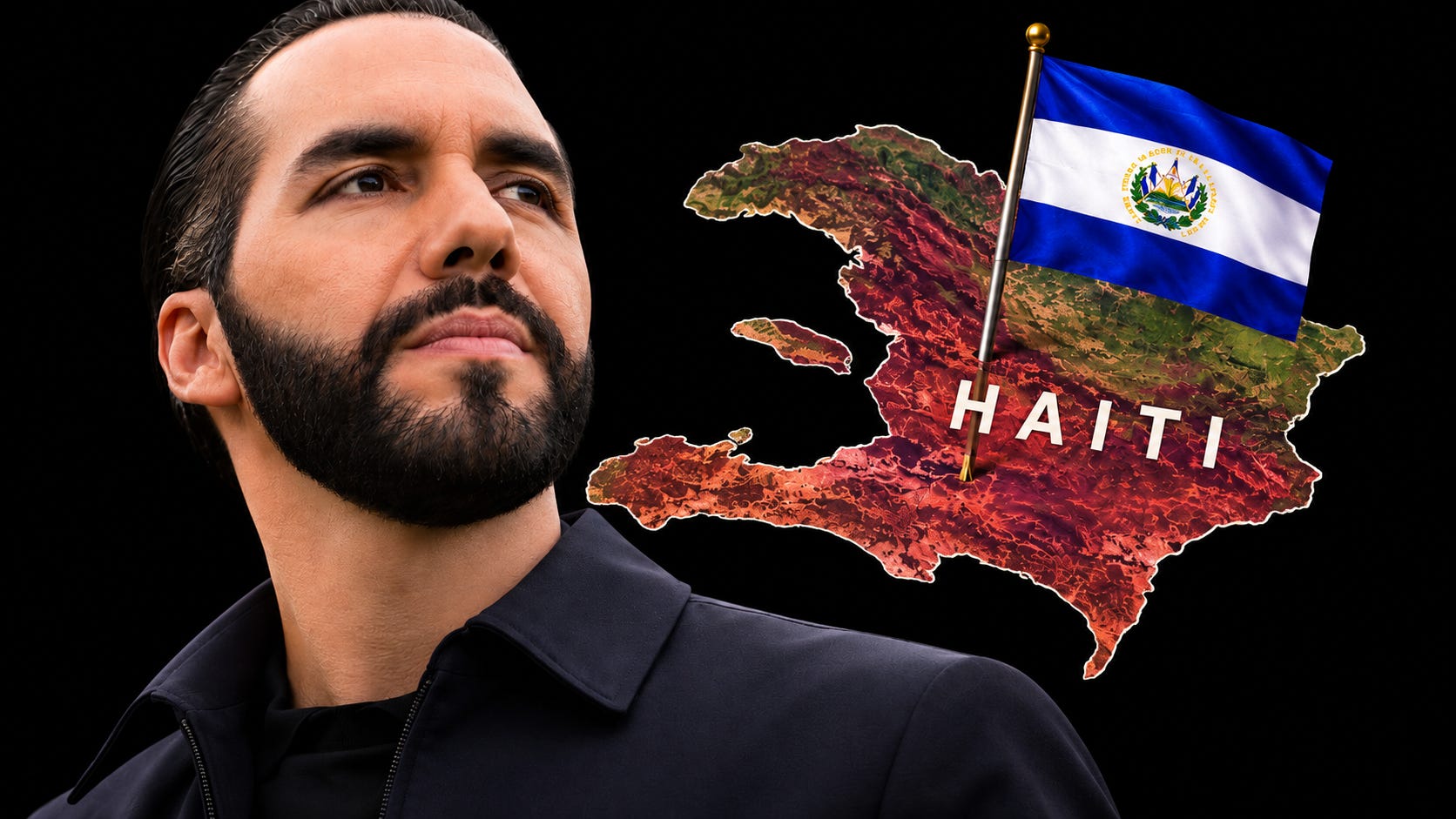
Now, World of Crime analyses why Bukele is doing this, what he can possibly gain, and whether Haiti presents any conditions that allow for the replication of El Salvador’s significant, but controversial, anti-gang crackdown.
