

On the morning of 7 May 2026, US Secretary of State Marco Rubio stood at the headquarters of US Southern Command in Doral, Florida, with a map of Cuba projected behind him.
He announce that the United States was designating Grupo de Administración Empresarial S.A., better known by its Spanish acronym GAESA, as a sanctioned entity. Rubio didn’t mince his words. He called GAESA “the heart of Cuba’s kleptocratic communist system”, that it controlled at least 40 per cent of the Cuban economy and “likely up to USD 20 billion in illicit assets”, much of it “funneled away to hidden overseas bank accounts” while ordinary Cubans endured 22-hour blackouts and bare pharmacies.
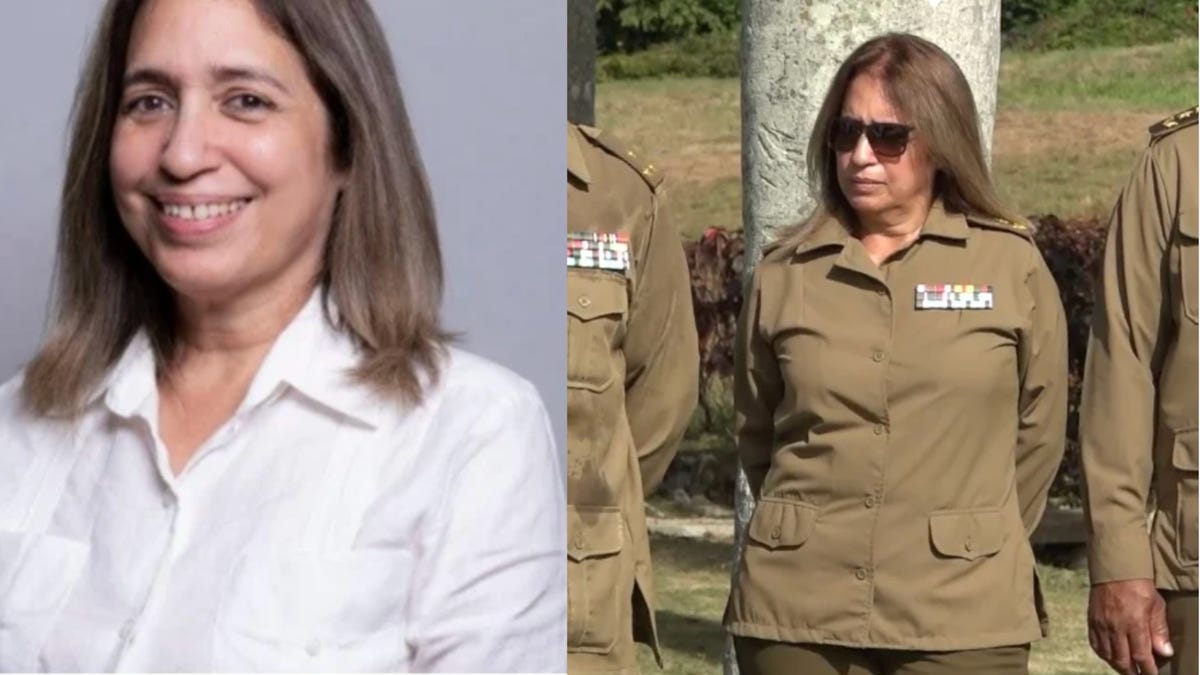
Two other names appeared alongside GAESA on the State Department list. The first was Brigadier General Ania Guillermina Lastres Morera, the woman who has run the conglomerate since the sudden death of her predecessor in July 2022. The second was Moa Nickel S.A., the Cuban joint-venture partner of Canadian miner Sherritt International. Within hours, Sherritt suspended its Cuban operations, three of its directors resigned, and its share price fell by thirty per cent. Cuba’s largest mining export collapsed in an afternoon.
But what happened on May 7 was just the opening block of a new Cuban new sanctions architecture. On 1 May 2026, the White House issued an executive order to issue strong new sanctions on Cuba’s energy, defence, mining, financial services and security sectors.
Amid fears of a humanitarian crisis in Cuba or of a US military invasion, going against GAESA was long overdue.
For the Cuban regime, it is an existential threat to the financial spine that had kept the Castro project alive across three decades, two presidents, and the death of its founder.
Much of the research for this explainer is due to the astonishing and brave work of Cuban journalists and researchers, both inside and outside the country, often carried out at great personal risk. Please read and support Cubanet, elTOQUE, Havana Consulting Group, and Diario de Cuba.
1. So what exactly is GAESA?
It is the Cuban army’s holding company, and almost everything that earns dollars on the island runs through it.
