Shortly before 9am on February 19, plainclothes detectives arrived at Wood Farm on the Sandringham estate in Norfolk to arrest Prince Andrew, formally Andrew Mountbatten-Windsor, who served from 2001 to 2011 as the UK’s Special Representative for International Trade and Investment.
He has, to date, not been charged and was released within hours.
Public attention around Andrew has long centred on his association with Jeffrey Epstein and potential sexual offences. The arrest, however, was based on an entirely different allegation.
The arrest was on suspicion of misconduct in public office (MIPO), a rare common-law offence used to prosecute serious abuses of state power.
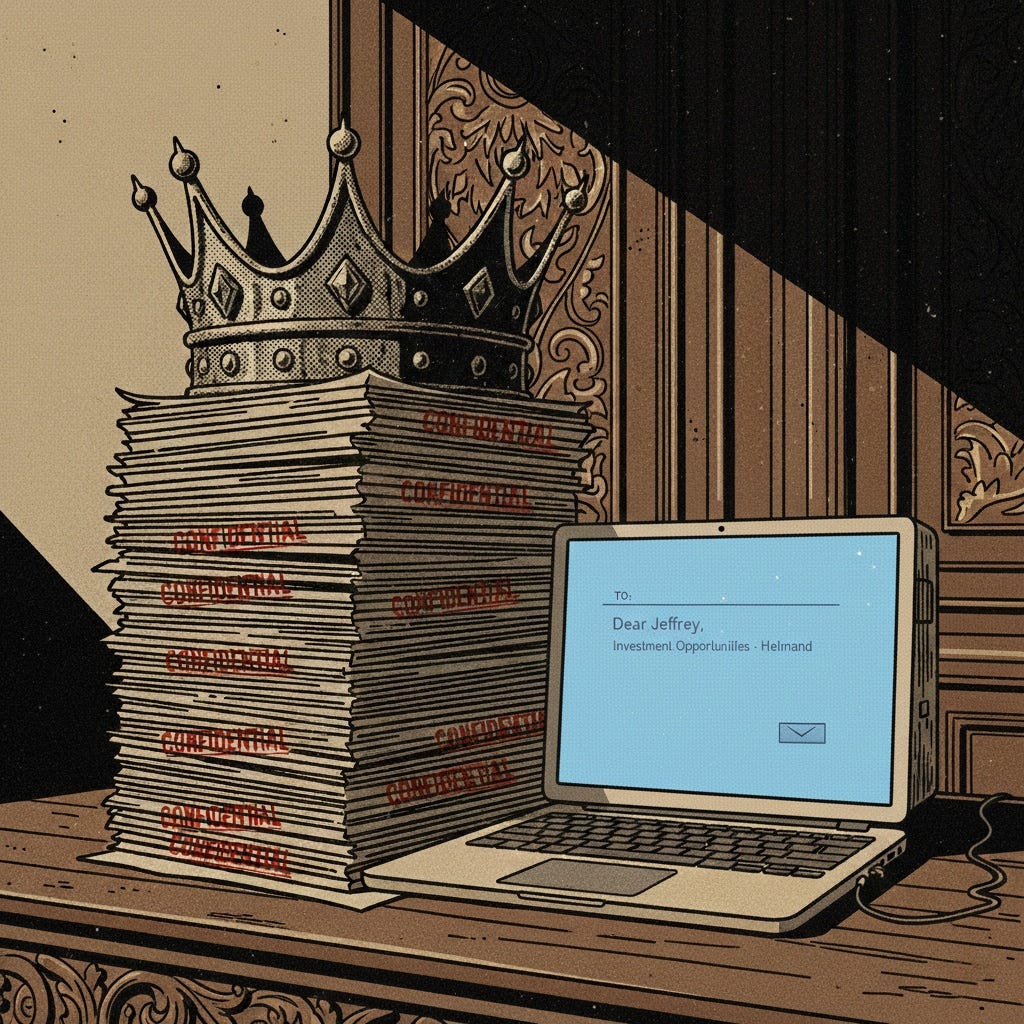
Documents recently unsealed by the US show that, while Andrew served as the UK’s trade envoy in 2010, he seemingly forwarded confidential government itineraries and sensitive commercial intelligence from official visits to Singapore, Vietnam, and China directly to Epstein, as well as information about Afghanistan. The documents were classified.