

The White House has released its 2026 National Drug Control Strategy. It is an extraordinary 195-page document that goes further than any of its predecessors in adopting the language and doctrine of war against drug trafficking.
It names fentanyl a weapon of mass destruction, it guts the American hemp industry, it makes oddly specific demands of China, Canada, Mexico, Colombia and India, and it even calls for a greater role for God in addiction recovery.
The document calls itself an “order of battle.” Some of it is genuinely new policy. Some of it is the codification of measures already well underway. Much of it fits President Trump’s worldview and attitude towards the war on drugs.
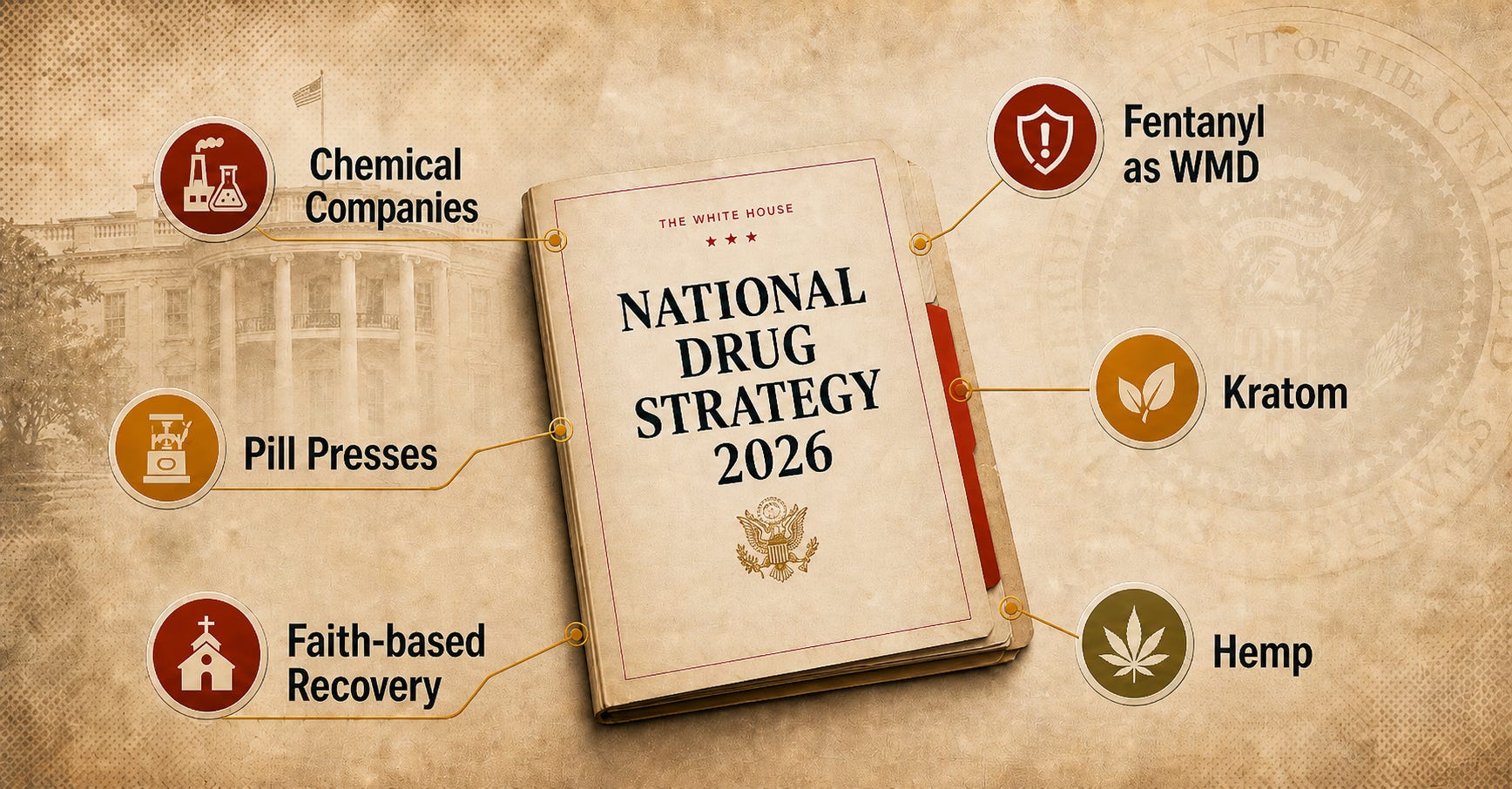
1. Fentanyl is a weapon of mass destruction
Fentanyl is, in the legal language of the United States, a weapon of mass destruction. The strategy describes the drug as “closer to a chemical weapon than a narcotic,” and confirms that Executive Order 14367 “formally designates fentanyl as a Weapon of Mass Destruction,” requiring a national threat-assessment posture “commensurate with chemical, biological, and radiological dangers.” The Department of War is instructed to update its homeland chemical-incident directives to include fentanyl alongside sarin, VX and chlorine.
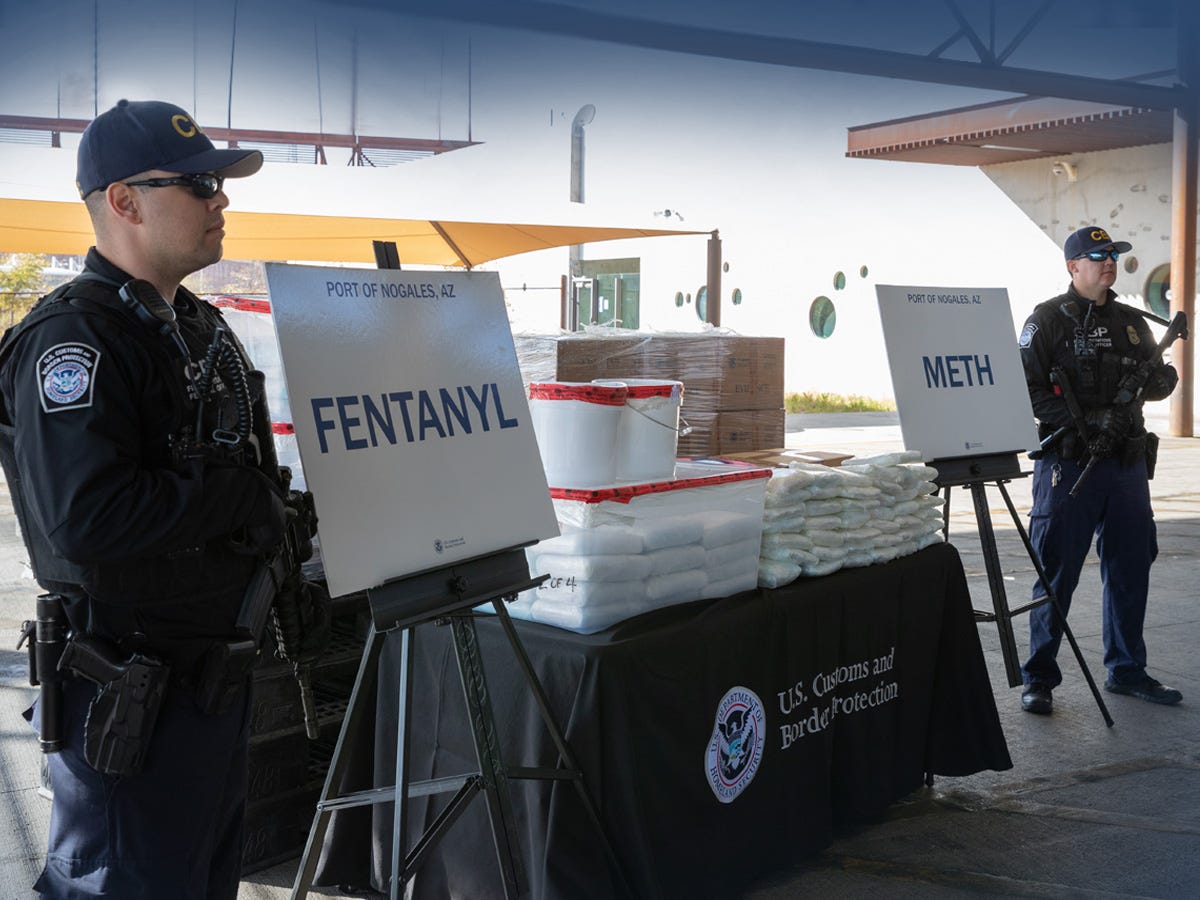
What does it mean?
A clandestine fentanyl lab in Sinaloa now sits, in legal terms, in the same threat category as a sarin facility in a sanctioned state.
