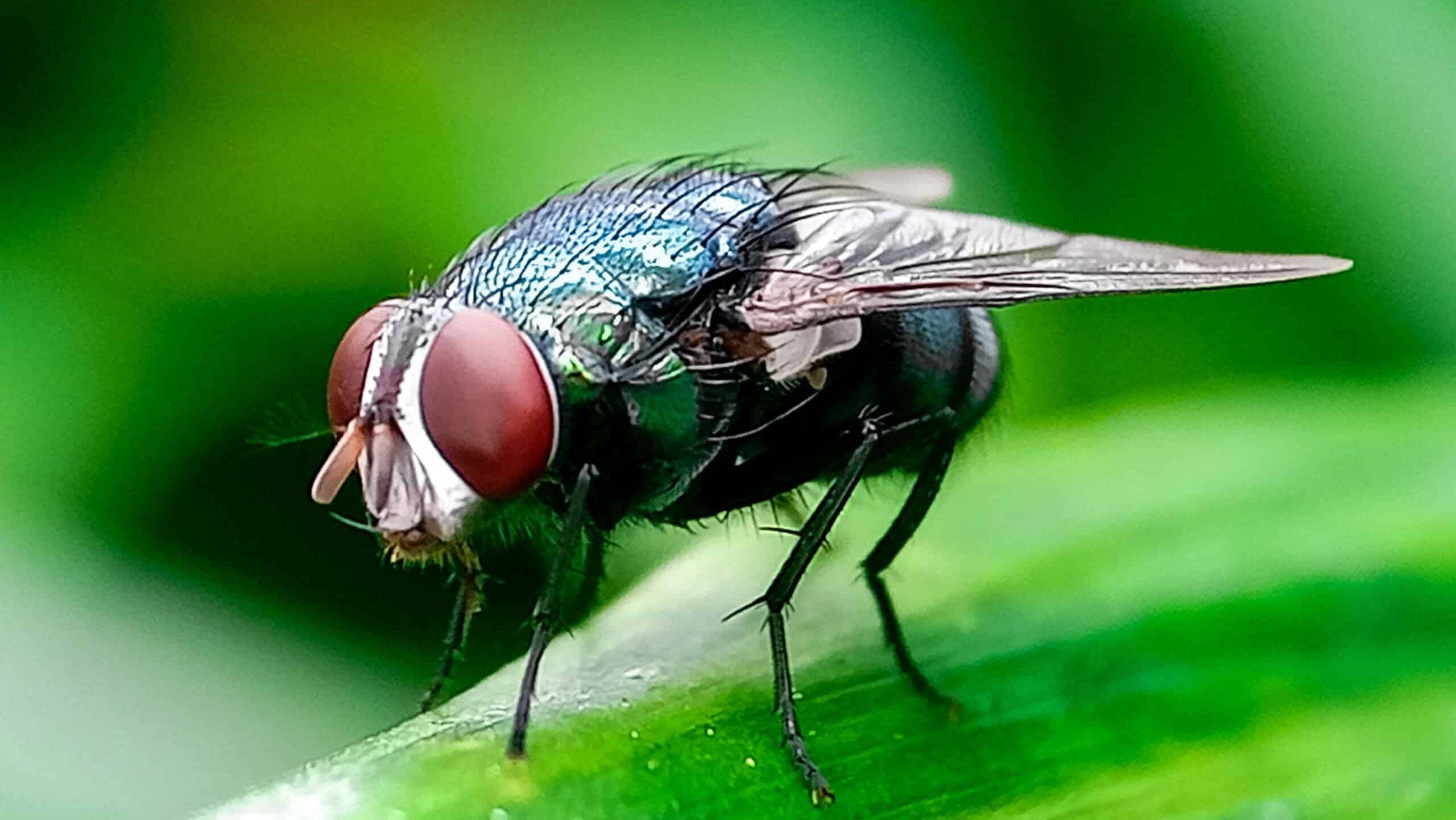
On 3 June, a veterinarian in La Pryor, a ranching town in Zavala County about fifty miles from the Mexican border, pulled larvae from the navel of a three-week-old calf and sent the sample to a federal laboratory. The next morning the US Department of Agriculture confirmed the case: a live New World screwworm, Cochliomyia hominivorax, the flesh-eating parasite the United States spent four decades and hundreds of millions of dollars driving off the continent. No working rancher under the age of sixty had ever seen one on American soil.
Within a week the count climbed to six, spread across Zavala, La Salle and Gillespie counties and across the state line into Lea County, New Mexico. The confirmed hosts were calves, a goat and a dog. Texas Governor Greg Abbott issued a disaster proclamation covering all 254 Texas counties and stood up a state response team.
The eradication of this parasite was one of the genuine triumphs of twentieth-century agriculture. The female screwworm mates once in her short life, so American entomologists bred and irradiated males by the million, released them by aircraft, and watched wild populations collapse as the matings produced no offspring. The United States was declared free of the fly in 1966.
The technique then pushed the parasite south through Mexico and Central America until a biological barrier closed it off at the Darién Gap, the roadless jungle dividing Panama from Colombia.
For sixty years that barrier held. No longer.
The pest did not drift north on its own wings. It was carried, mile by mile, by an industrial-strength contraband livestock trade run by criminal groups in Central America and Mexico. And yet, the political fight over who is to blame is preventing a coordinated response.